

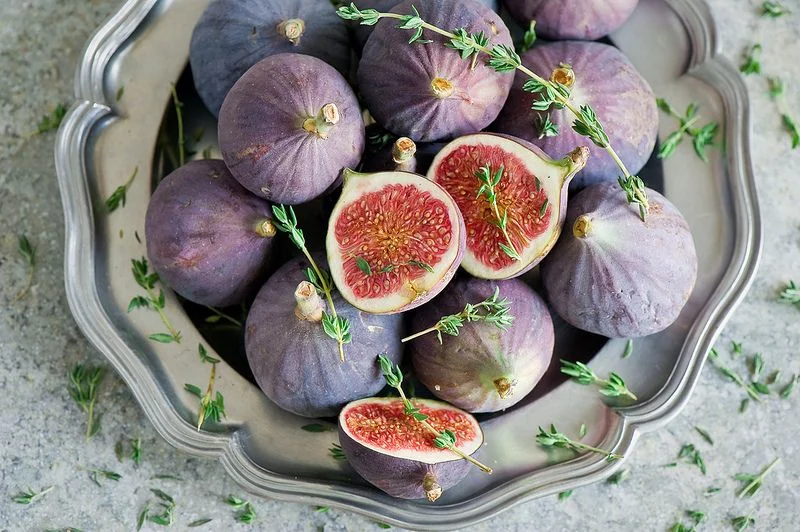
Byadi (Arabic: “White Fig”) is a honey‑flavored fig cultivar native to Syria, well known across the Levant region (including Lebanon and Jordan) for its creamy yellow‑green skin, delicate flesh, and syrupy sweetness. The name “Byadi” literally means white colored in Arabic, reflecting the fruit’s light skin and often pale amber interior
This cultivar belongs to the White Marseilles family of figs and is classified as a common (self‑fertile) type, meaning it does not require fig wasps to produce fruit. Byadi figs deliver a unique floral‑honey sweetness, with silky texture and gentle crunch, making them a prized dessert fig for fresh eating, drying, or gourmet use
Origin and Historical Significance

Syria and the Levant
Byadi originated in Syria, where it was traditionally cultivated in villages such as Mishtayeh, and later spread to Lebanon, particularly the northern coast, and Jordan. Over time, it has gained popularity in Mediterranean‑style gardens and fig collections around the world.
The cultivar’s origin story is intimately connected to Syrian horticultural tradition, naming figs by color or shape. “Byadi” refers to its light or white appearance, distinguishing it from darker or reddish variants
Modern Recognition and Distribution
In recent years, Byadi has been introduced by growers like Trees of Joy and Bassem Samaan to fig enthusiasts worldwide. It is considered an early‑season, productive, and flavorful addition to home orchards across USDA zone‑7 to 10 climates. While its availability is limited, it remains a sought‑after variety among collectors and specialty nurseries
Fruit Characteristics and Flavor Profile
Appearance and Size
Byadi figs feature light green to yellowish skin, often faintly tinged, with pale amber or occasionally red‑tinged pulp depending on growing conditions . They are typically small to medium in size (around 30–35 g) with a somewhat oblate or round shape. Some sources report average fruit size around 31 g after ripening in about 65 days under moderate growing-degree-day accumulation.
Taste and Texture
On the palate, Byadi delivers a silky and juicy texture, with minimal seed crunch. The taste is honey-like, with a soft floral depth—often likened to floral syrup coating the palate and lingering elegantly. Unlike darker figs with jammy berry notes, Byadi emphasizes light sweetness and delicate complexity
Cultivation and Tree Traits
Tree Vigor and Growth Habit
Byadi trees are considered vigorous growers, forming upright canopies rather than bushy or sprawling structures. The leaves often have a characteristic five‑lobed shape with elongated “fingers”. They adapt well to container gardening and local climates where winter chilling meets chill‑hour needs for fig dormancy.
Productivity and Ripening
This cultivar generally produces a single main crop in mid season, typically around 65 days from bud break to harvest in warmer climates Some growers note possible breba crop, though it is not consistent. It is valued as an early producer, delivering ripe figs earlier than many other varieties, which is useful in extending the fig season
Care Requirements
Byadi requires standard fig tree care—regular watering, good soil with moderate fertility, and cellar or protection during winter in cooler zones. It tolerates average rainfall and is cold hardy in mild climates (USDA zones 7–10) though prolonged freezing temperatures may damage wood
Uses and Culinary Applications

Fresh Eating and Gourmet Pairings
Enjoy Byadi fresh off the tree for its maximum flavor impact—a crisp, sweet bite that’s ideal for dessert, cheese boards, and pairing with soft cheeses like ricotta or goat cheese. Its subtle complexity means it also pairs well with herbs (like mint or basil) or light vinaigrettes.
Drying, Preserves, and Baking
Due to its syrupy sweetness, Byadi figs dry beautifully, concentrating flavor while retaining floral undertones. They can be used in fig bars, compotes, jams, or baked goods where light, elegant sweetness is desired. Their juicy interior with low seed grit makes them a luxury ingredient in recipes.
Medicinal and Cultural Uses
While there’s no strong evidence of traditional medicinal uses for this specific cultivar, figs broadly have been used for digestive soothing, nutritive value, and as a cultural symbol of fertility and sweetness across the Middle East. Byadi inherits that heritage by being a fig with reputation and refined taste.
Propagation, Availability, and Growing Tips
Propagation Methods
Byadi fig trees are typically propagated via cuttings—either rooted cuttings in spring or non‑rooted cuttings in dormancy. Nurseries like The Pottery Fig Garden and Kremp Florist have sold Byadi cuttings (rooted and non‑rooted), with shipping seasons usually in late autumn through early spring
Availability
Though beloved, Byadi remains relatively rare in commercial trade. Its availability is often limited, and it’s frequently sold via specialty nurseries catering to fig collectors and gourmet gardeners. Some sellers ship only domestically (e.g., within the U.S.) due to phytosanitary restrictions.
Best Growing Conditions
-
Climate: Ideal in Mediterranean climates, USDA zones 7–10.
-
Soil: Well‑draining, loamy soil; moderate fertility.
-
Water: Regular in growing season; reduce in dormancy.
-
Sunlight: Full sun for best fruit coloration and sugar development.
-
Pruning: Light pruning to open canopy; remove crossing branches.
-
Protection: Provide winter protection in colder zones—mulch or wrap trunk.
Growing in containers is feasible; trees remain more compact and easier to protect.
Comparisons and Cultivar Highlights
Comparison Table: Byadi vs. Similar Fig Varieties
| Feature | Byadi | White Marseilles / Italian Honey |
|---|---|---|
| Skin Color | Light green-yellow | Pale yellow to golden |
| Flavor | Floral honey, delicate | Classic honey, mild |
| Flesh Color | Amber or pale amber | Deep amber to pink |
| Texture | Juicy, low seed crunch | Slightly creamier, more seeds |
| Season Timing | Early to mid crop | Mid season |
| Tree Vigor | Vigorous, upright | Moderate to vigorous |
| Cold Tolerance | Zones 7–10 | Zones 6–10 |
While White Marseilles and Italian Honey figs share similarities, Byadi often has even lighter flavor nuances, softer flesh, and a distinctive floral tone in taste.
Why Grow Byadi?
-
Unique flavor profile: floral, honeyed, and refined.
-
Productive early season: extends fig harvest window.
-
Beautiful presentation: light fruit color makes salad or dessert garnish standout.
-
Cold hardiness and adaptability: suitable for many warm temperate climates.
Growing Guide: Step‑by‑Step Tips
-
Select a healthy cutting or young plant: Rooted or non‑rooted cuttings establish well; source from reputable suppliers.
-
Plant in full sun: Ensure at least 6–8 hours of sunlight.
-
Soil preparation: Mix compost or aged manure into soil; ensure drainage.
-
Water judiciously: Keep moist but not water‑logged.
-
Feed occasionally: Balanced fertilizer in spring and early summer.
-
Mulch for water retention and weed control.
-
Prune after harvest: Open interior and remove dead or weak branches.
-
Protect in winter: In cooler zones, wrap trunk or move container indoors.
-
Harvest timing: Wait until figs feel soft to the touch and begin to droop—hang time often 5–8 days post‑ripeness for optimal sweetness
-
Monitor for pests/disease: Figs are generally low‑maintenance, but watch for scale or nematodes in containers.
Testimonials and Grower Feedback
-
A grower in zone 8 reported Byadi ripened on August 24, 2021, describing it as having soft texture and comparing its taste to White Marseilles, but with less seed grit
-
JamesB, a zone 10 grower of the Lebanese Byadi strain, wrote that it offered “some of the best figs I have tasted!” in terms of honey fruit quality
-
The Pottery Fig Garden praised it as “early, very productive, and figs have an excellent flavor,” emphasizing its floral‑honey notes and crunchy, juicy texture
Conclusion
Byadi is a unique and exceptional honey‑fig cultivar—celebrated for its delicate floral sweetness, light amber appearance, and elegant texture. With origins in Syria and spread across the Levant, it now thrives in gardens around the world. Though not widely commercially available, its early harvest, productive nature, and distinct flavor make Byadi a prized choice for fig lovers and home growers alike.
If you’re looking to experience something beyond ordinary figs, planting or sampling Byadi may just reveal one of the most refined sweet fruits nature offers.

 is a honey‑flavored fig cultivar native to Syria, well known across the Levant region including Lebanon and Jordan)